

Peter Handke won the Nobel Prize in Literature in 2019 and instantly became the most controversial name in almost every literary conversation that year. Half the internet was outraged. The other half wondered who he was. I believe that almost nobody, in all that noise and debate, sat down and actually read the book that arguably earned the prize more than anything else he ever wrote.
A Sorrow Beyond Dreams (1972) is fifty-something pages long. It is about Handke’s mother, who committed suicide at fifty-one in a village in Austria. He attempts to write her life without letting sentiments and the machinery of literature swallow her whole. That is why it is one of the most honest books ever written about loss and grief about women, about what language can and cannot do for a person who has gone through such a trauma.
You might not have seen or read these quotes. And that is the whole point!
So, let’s dig into the best Peter Handke A Sorrow Beyond Dreams quotes.
Theme 1: When Language Betrays the Individual
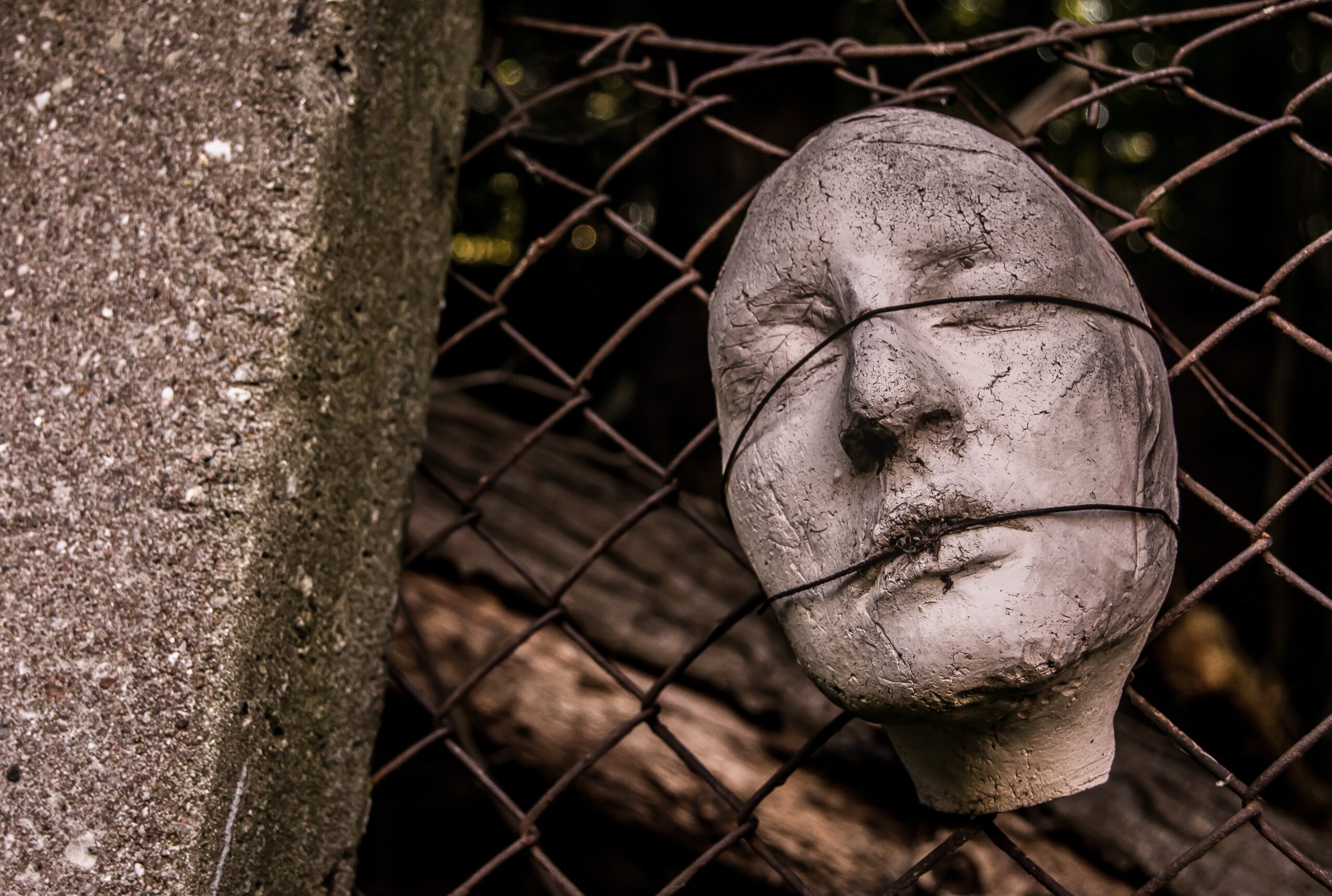
Handke employs the very tool (language) that failed his mother throughout her life.
See the irony!
These lines show how language confesses its own inadequacy.
“My mother has been dead for almost seven weeks; I had better get to work before the need to write about her, which I felt so strongly at her funeral, dies away and I fall back into the dull speechlessness with which I reacted to the news of her suicide.”
“This story, however, is really about the nameless, about speechless moments of terror. It is about moments when the mind boggles with horror, states of fear so brief that speech always comes too late.”
“He paid no attention to her reproofs, she always said the same thing, she lacked the vocabulary that might have had some effect on him.”
“I talk to myself, because I can’t say anything to other people any more.”
“Her little attempts to explain herself were futile mutterings.”
“No one had anything to say about himself; even in church, at Easter confession, when at least once a year there was an opportunity to reveal something of oneself, there was only a mumbling of catchwords out of the catechism, and the word ‘I’ seemed stranger to the speaker himself than a chunk out of the moon.”
Theme 2: Erasure of Women

Imagine a world where you live like the dead. You have every basic facility, but you can’t have or won’t have opinions or the right to decide your own course of life. You become the woman erased by historical and domestic systems. Handke’s mother lived in a similar world that had already written her ending before she’d finished her beginning.
“For a woman to be born into such surroundings was in itself deadly. But perhaps there was one comfort: no need to worry about the future. The fortune-tellers at our church fairs took a serious interest only in the palms of the young men; a girl’s future was a joke.”
“The girls in our town used to play a game based on the stations in a woman’s life: Tired/ Exhausted/Sick/Dying/Dead.”
“Once your compulsory education was completed and you began to grow up, there was no need of it. After that a girl stayed home, getting used to the staying at home that would be her future.”
“Cheated out of your own biography and feelings, you became ‘skittish’; you shied away from people, stopped talking, or, more seriously touched, went from house to house screaming.”
“And so she was nothing and never would be anything; it was so obvious that there was no need of a forecast. She already said ‘in my day’, though she was not yet thirty.”
Theme 3: Suicide as the Only Assertion of Will

In a world where every choice and every action is pre-decided, death seems like a reasonable escape. Some still call it a tragedy, yet others believe it is an assertion of free will. Handke belongs to the latter category. He calls it “voluntary”.
“The consciousness of owning something had so liberating an effect that after generations of will-lessness a will could now make its appearance: the will to become still freer.”
“…I would like to represent this VOLUNTARY DEATH as an exemplary case.”
“On Friday evening, before going home and taking the sleeping pills, she had mailed a registered letter containing a copy of her will to my address…”
“…and throughout the flight I was beside myself with pride that she had committed suicide.”
“She wrote letters of farewell to everyone in her family. She not only knew what she was doing, she also knew why she could no longer do anything else.”
“I really wish I were dead. When I’m out in the street and I see a car coming, I want to fall in front of it.”
“‘You won’t understand‘, she wrote to her husband. ‘But it’s unthinkable that I should go on living.'”
“At the end of her letter to me, which otherwise contained only instructions for her funeral, she wrote that she was perfectly calm, glad at last to be falling asleep in peace.”
Peter Handke A Sorrow Beyond Dreams Quotes- Theme 4: The Mind Under Horror
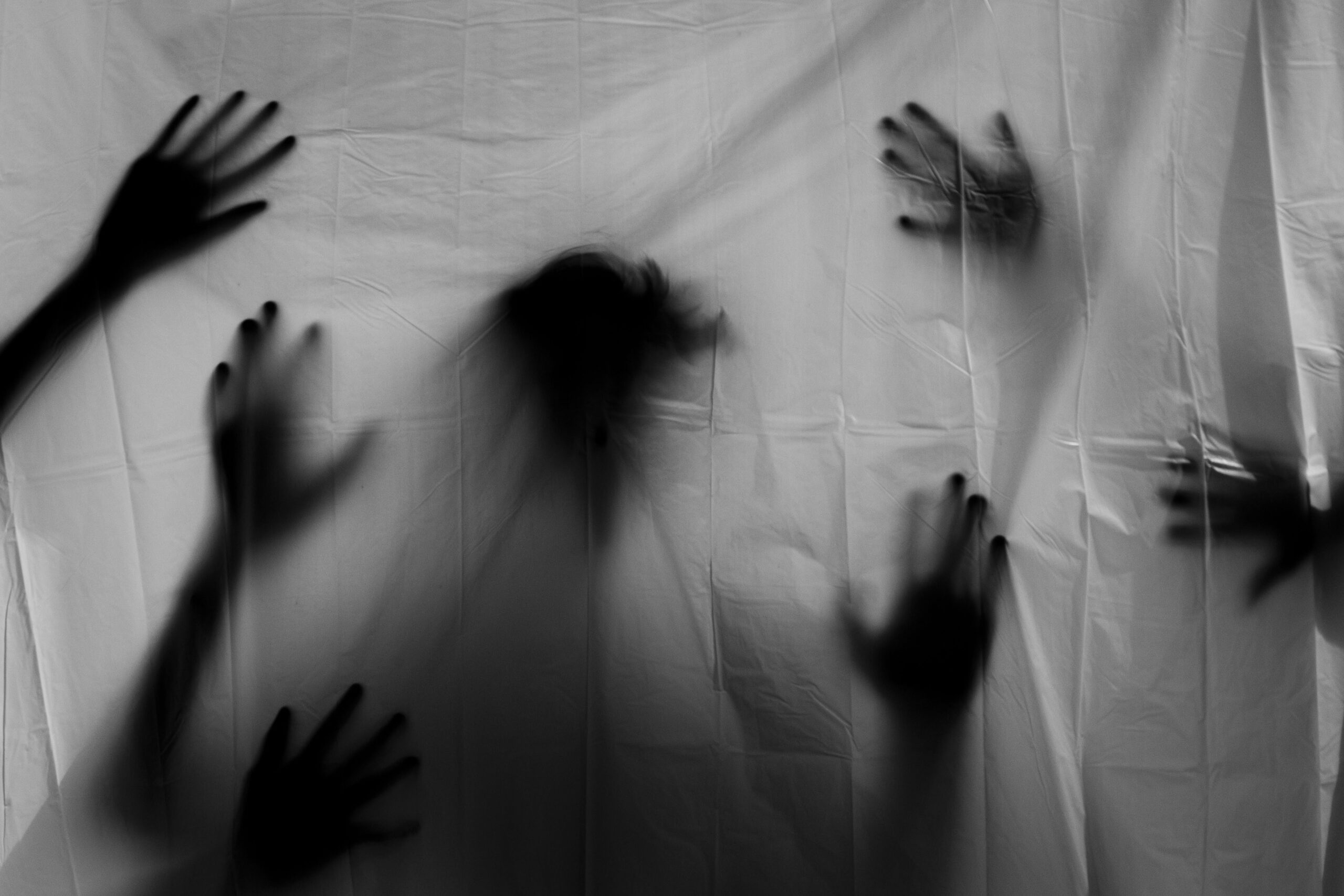
In this book, Grief is not only limited to sadness. It is a physical condition: something that suffocates and strangles, something that empties and fills, and something that crashes and ends. Handke illustrates the mind under horror the same way a doctor defines a wound: precisely, without looking anywhere else.
“Thinking about this suicide, I become so insensible that I am sometimes startled to find that an object I have been holding hasn’t fallen out of my hand.”
“My sense of horror makes me feel better: at last my boredom is gone; an unresisting body, no more exhausting distances, a painless passage of time.”
“She had to walk very slowly because, as she told me, the horror strangled her.”
“A picture of animal misery, as in a zoo. It was a torment to see how shamelessly she had turned herself inside out; everything about her was dislocated, split, open, inflamed, a tangle of entrails.”
“Horror is something perfectly natural: the mind’s emptiness. A thought is taking shape, then suddenly it notices that there is nothing more to think. Whereupon it crashes to the ground like a figure in a comic strip who suddenly realizes that he has been walking on air.”
“But she only stood there stiff with terror, dizzy after her long years as the good household fairy.”
“Yesterday I saw Dostoevsky’s ‘The Gentle Spirit’ on TV; all night long I saw the most gruesome things, I wasn’t dreaming, I really saw them, some men were going around naked and instead of genitals they had intestines hanging out.”